
In the fast-paced world of technology, few advancements have captivated our imagination and transformed industries quite like machine learning.
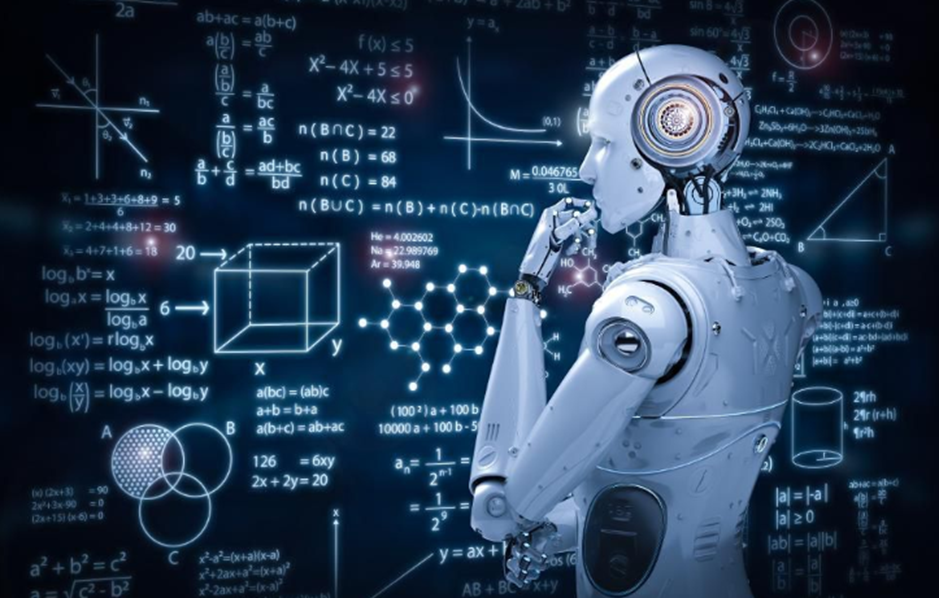
Originating from the realm of artificial intelligence, machine learning has emerged as a powerful tool with the ability to revolutionize numerous sectors. From healthcare to finance, from transportation to entertainment, its impact is far-reaching and profound.
Origins and Evolution:
Machine learning traces its origins back to the mid-20th century when scientists and researchers began exploring ways to enable computers to learn from data without being explicitly programmed.
The concept gained traction in the 1950s and 1960s, but it wasn’t until the advent of big data and advancements in computational power that machine learning truly took off. With the availability of vast amounts of data and sophisticated algorithms, machine learning algorithms could be trained to recognize patterns, make predictions, and drive intelligent decision-making.
Applications Across Sectors:
Machine learning has found applications in a diverse array of sectors, demonstrating its versatility and transformative potential.
In healthcare, it has been utilized for disease diagnosis, personalized treatment plans, and drug discovery, leading to improved patient outcomes and more efficient healthcare delivery.
In finance, machine learning algorithms analyse market trends, detect fraud, and optimize investment strategies, enhancing decision-making processes and mitigating risks.
Moreover, in transportation, machine learning powers autonomous vehicles, optimizing routes, and improving safety.
In marketing and advertising, it drives personalized recommendations and targeted campaigns, enhancing customer engagement and driving revenue growth.
In manufacturing, it enables predictive maintenance, reducing downtime and optimizing production processes. These are just a few examples of how machine learning is reshaping industries and driving innovation.
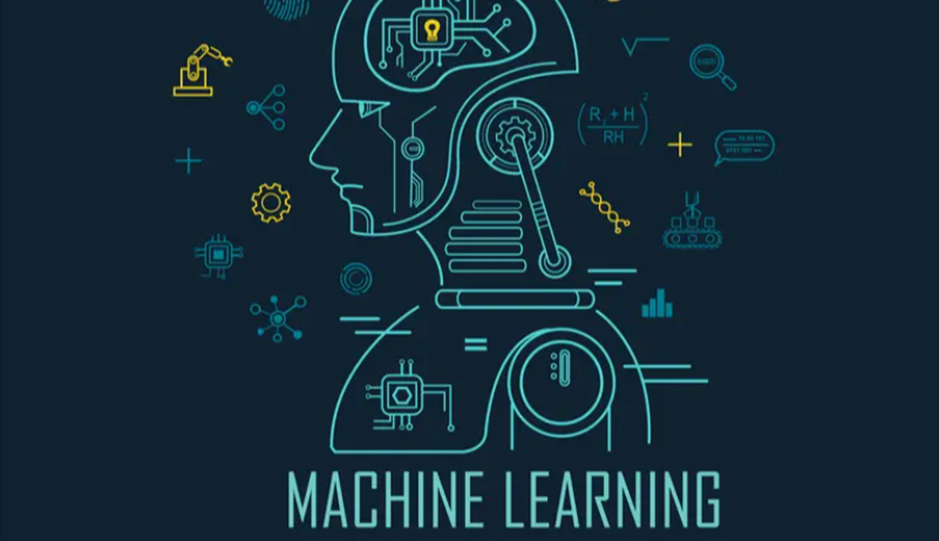
Future Implications:
Looking ahead, the potential of machine learning seems limitless. As technology continues to evolve, machine learning algorithms are expected to become even more sophisticated, capable of handling increasingly complex tasks and generating deeper insights from data.
In fields such as genomics, climate science, and space exploration, machine learning holds the promise of unlocking new discoveries and solving some of humanity’s most pressing challenges.
Drawbacks and Ethical Considerations:
However, amidst its transformative potential, machine learning also raises concerns about privacy, bias, and ethical implications. The reliance on algorithms to make decisions can lead to unintended consequences, perpetuating existing biases and amplifying inequalities. Moreover, the collection and analysis of vast amounts of data raise questions about data privacy and security, necessitating careful regulation and oversight.

The importance of machine learning cannot be overstated. From its humble beginnings to its current status as a driving force of innovation, machine learning has revolutionized industries, transformed business models, and enriched our lives in countless ways.
As we navigate the opportunities and challenges posed by this technology, it is imperative that we harness its power responsibly, ensuring that it serves the greater good and contributes to a brighter and more equitable future.